
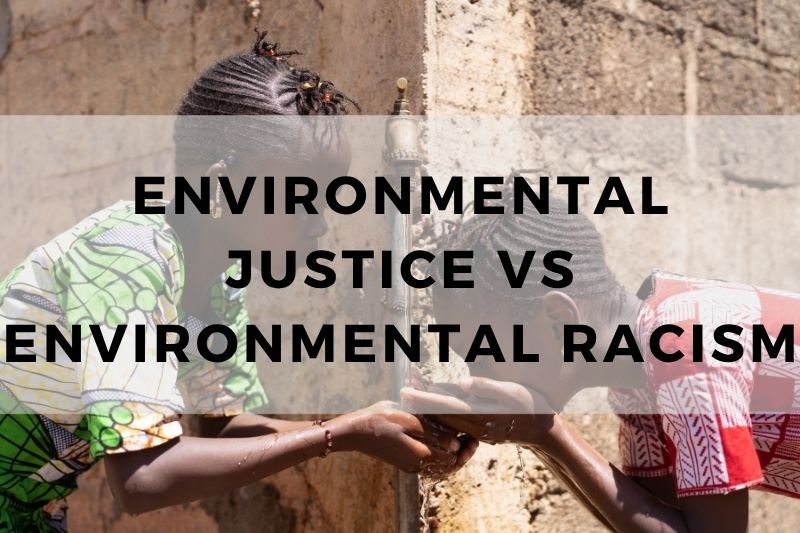
Why do some communities breathe cleaner air while others live beside toxic waste sites? This uneven reality is not accidental but often the result of social and political choices that favor some groups over others. Across cities and rural areas alike, low-income and minority populations frequently bear the heaviest environmental burdens.
This imbalance has given rise to two powerful ideas: environmental racism and environmental justice. One exposes the unfair harm caused by discrimination, while the other seeks to correct it through equality and advocacy. Understanding their connection reveals how justice, race, and the environment are deeply intertwined.
What is Environmental Justice?
Defining Environmental Justice
Environmental justice ensures that no group of people, especially marginalized communities, suffers disproportionately from environmental hazards. It emphasizes equal protection from pollution, safe living conditions, and fair access to natural resources for everyone. This concept recognizes that environmental harms are not distributed randomly but often affect low-income and minority communities. Environmental justice also involves active participation in decision-making processes, ensuring communities have a voice in policies that impact their surroundings. It bridges environmental protection with social equity, making sure sustainability efforts do not leave anyone behind.
Origins of Environmental Justice
- Civil Rights Roots – Environmental justice emerged from the Civil Rights Movement. Activists realized that racial inequality extended to environmental policies, influencing pollution placement and resource access.
- Early Community Struggles – Communities of color began organizing against hazardous facilities near their neighborhoods. These struggles highlighted systemic neglect by local and federal authorities.
- Academic Recognition – Scholars studied the disproportionate environmental burdens on marginalized populations. Research provided data that strengthened advocacy and informed policy.
- Policy Awareness – Government agencies began acknowledging environmental inequities in the 1980s. This recognition led to the term “environmental justice” entering policy discussions.
- Grassroots Movements – Local activism played a critical role in defining environmental justice goals. Residents demanded participation, accountability, and protection from environmental harms.
What is Environmental Racism?
Defining Environmental Racism
Environmental racism refers to policies and practices that disproportionately expose communities of color to environmental hazards. It occurs when race or ethnicity determines who faces pollution, unsafe living conditions, and limited access to clean resources. This form of discrimination is often systemic, embedded in zoning laws, industrial placement, and regulatory enforcement. Environmental racism not only harms physical health but also reduces social and economic opportunities, trapping communities in cycles of vulnerability. Recognizing it is crucial for creating fair and inclusive environmental policies that protect all populations equally.
How Environmental Racism Occurs
- Discriminatory Policies – Laws and zoning decisions often place hazardous facilities near minority neighborhoods. These policies prioritize economic or political interests over community safety. The result is disproportionate exposure to pollution for marginalized groups.
- Unequal Exposure to Pollution – Industrial plants, waste sites, and highways are more common near communities of color. Residents face higher risks of respiratory, cardiovascular, and other chronic diseases. This exposure perpetuates health disparities across generations.
- Exclusion from Decision-Making – Minority communities are often left out of environmental planning discussions. Without representation, their needs and concerns are ignored. This lack of participation reinforces systemic neglect and environmental harm.
- Economic Inequities – Low-income communities cannot easily relocate from polluted areas. Financial constraints force residents to remain in hazardous environments. This ties environmental harm directly to social and racial inequality.
- Targeted Siting of Hazardous Facilities – Industries deliberately locate high-risk facilities in less politically powerful neighborhoods. Communities of color are disproportionately chosen for these sites. This increases exposure to toxic chemicals and decreases quality of life.
Environmental Justice vs Environmental Racism: Key Differences
#1. Focus
Environmental Justice
Environmental justice focuses on fairness and equity in environmental protection. It prioritizes communities historically burdened by pollution, advocating for access to clean air, water, and land. For example, the 1991 First National People of Color Environmental Leadership Summit emphasized policy change to prevent disproportionate harm to minority communities. It centers on proactive measures, aiming to prevent hazards before they affect vulnerable populations.
Environmental Racism
Environmental racism focuses on the unequal distribution of environmental harms based on race or ethnicity. It highlights how communities of color face higher exposure to toxic waste, industrial plants, and contaminated water. For instance, studies in North Carolina during the 1980s showed predominantly Black neighborhoods housed 80% of hazardous waste sites. The focus is on identifying systemic discrimination embedded in policies and industrial planning.
#2. Perspective
Environmental Justice
Environmental justice adopts a community-centered perspective, valuing local voices in policy-making. It recognizes that affected communities hold critical knowledge about environmental risks. This perspective drove initiatives like the 1992 Robert Bullard report on Houston, revealing racial patterns in waste facility placement. By centering equity, environmental justice ensures that solutions address both environmental and social vulnerabilities simultaneously.
Environmental Racism
Environmental racism uses a critical lens on systemic inequities in environmental decision-making. It examines how race and power dynamics shape exposure to pollutants. Investigations, such as the 1982 Warren County, North Carolina protests, documented government negligence toward Black residents. The perspective identifies deliberate or institutionalized actions that marginalize communities through unsafe land use and policy bias.
#3. Core Objective
Environmental Justice
The core objective of environmental justice is to achieve fairness in environmental protection. It seeks to eliminate disproportionate exposure to pollution and secure equal access to resources. Initiatives include EPA guidelines established in the 1994 Executive Order 12898, which require federal agencies to address environmental impacts on minority and low-income populations. The goal is systemic prevention and empowerment of vulnerable communities.
Environmental Racism
The core objective of environmental racism analysis is to expose inequities and hold institutions accountable. It highlights patterns of neglect, discriminatory zoning, and industrial targeting. Scholars like Dr. Robert Bullard have documented how African American and Hispanic neighborhoods are more likely to host hazardous facilities. This objective emphasizes recognition, awareness, and corrective action to reduce racially-based environmental harm.
#4. Scope of Concern
Environmental Justice
Environmental justice addresses multiple dimensions: health, policy, and social equity. It focuses on cumulative impacts, such as air quality, water contamination, and access to green space. Efforts often include participatory planning and legal advocacy to prevent future harm. Programs like California’s EJ screening tool assess risk by combining pollution data with socioeconomic vulnerability, showing a broad and data-driven approach.
Environmental Racism
Environmental racism primarily concerns racial disparities in environmental risk. It emphasizes how policy and corporate practices disproportionately affect communities of color. For example, EPA studies in the 1990s found that minority-majority census tracts faced higher toxic release inventory scores. The scope is narrower but deep, targeting systemic inequities in pollution exposure and environmental neglect.
#5. Examples
Environmental Justice
Examples include community-led campaigns to improve clean water access in Flint, Michigan (2014-present), and the push for clean air zones in Richmond, California, near Chevron refineries. These efforts show activism, legal action, and federal involvement addressing disproportionate environmental burdens. Environmental justice initiatives prioritize both remediation and long-term prevention strategies for vulnerable populations.
Environmental Racism
Notable examples include the placement of the Warren County PCB landfill in 1982, siting of Los Angeles oil wells near low-income Hispanic communities, and industrial pollution near Houston’s Fifth Ward. These cases illustrate intentional or negligent decisions leading to unequal environmental harm, with lasting health and social consequences for marginalized communities.
#6. Desired Outcome
Environmental Justice
Environmental justice seeks measurable equity in environmental protection. Desired outcomes include reduced exposure to toxins, increased community participation, and sustainable policies that protect marginalized populations. Programs aim for long-term systemic change rather than temporary fixes, often combining grassroots activism with policy enforcement and environmental monitoring.
Environmental Racism
Environmental racism seeks recognition and correction of systemic injustice. Outcomes focus on accountability for discriminatory policies, remediation of hazardous sites, and reforms to prevent recurrence. Activists demand that governments and corporations acknowledge racial biases in environmental decision-making and implement safeguards to protect affected communities.
#7. Historical Relationship
Environmental Justice
Environmental justice evolved as a response to documented environmental racism. Grassroots movements in the 1980s and 1990s, led by activists like Lois Gibbs and Robert Bullard, connected civil rights and environmental advocacy. Historical awareness shaped the framework for federal policies, academic research, and community organizing that continue to guide equity-focused environmental strategies.
Environmental Racism
Environmental racism predates the formal environmental justice movement. Systemic placement of hazardous facilities in minority communities, often during the 1960s-1980s industrial expansion, exposed racial inequities in environmental protection. Recognizing these historical patterns was crucial for motivating grassroots activism and the eventual establishment of environmental justice as both a concept and a movement.
How Environmental Racism Led to the Environmental Justice Movement
#1. Recognition of Racial Disparities in Environmental Policies
Communities and researchers began documenting that racial minorities faced higher exposure to pollution and toxic waste. This recognition revealed systemic neglect in zoning, industrial siting, and regulatory enforcement. For example, studies in the late 1970s and early 1980s showed African American neighborhoods in Houston and New Jersey were disproportionately burdened with hazardous waste sites. These findings highlighted structural discrimination and spurred community awareness, laying the foundation for organized resistance. Understanding the racial patterns in environmental harm made it clear that policy change was necessary to protect vulnerable populations and ensure fairness in environmental governance.
#2. Community Resistance Against Environmental Injustices
Local communities started actively protesting against harmful environmental practices. Grassroots activism emerged as a powerful tool to challenge industrial and governmental negligence. Residents organized petitions, blockades, and public hearings to demand accountability and remediation. In North Carolina, Black communities protested toxic landfill placements in the early 1980s, gaining national media attention. These efforts demonstrated that marginalized populations could mobilize effectively, forcing policymakers to recognize environmental inequities and inspiring broader movements that connected civil rights advocacy with environmental protection.
#3. The Turning Point: Warren County Landfill Protest
The 1982 Warren County, North Carolina, PCB landfill protest became a pivotal moment in environmental justice history. It exposed how racial bias influenced hazardous waste siting decisions. The predominantly Black community organized marches and demonstrations to stop the construction of the landfill. Media coverage highlighted systemic environmental racism and pressured state and federal agencies to reconsider policy approaches. Warren County became a symbol of resistance, inspiring activists nationwide to challenge inequities and demand government accountability for the disproportionate environmental burdens faced by communities of color.
#4. Linking Civil Rights to Environmental Issues
Activists connected environmental hazards to broader civil rights struggles, emphasizing social equity. They argued that environmental protection was a continuation of the fight for racial and economic justice. Leaders like Dr. Robert Bullard documented that discriminatory land use practices mirrored historical segregation and inequality. Civil rights organizations began including environmental concerns in their agendas, framing pollution exposure and toxic site placement as violations of basic human rights. This intersection strengthened advocacy, combining legal strategies, public awareness campaigns, and grassroots organizing to challenge systemic environmental discrimination.
#5. Emergence of Grassroots Environmental Justice Movements
Local movements grew nationwide, demanding fair treatment and participation in environmental decisions. Communities of color organized coalitions to challenge industrial pollution and unsafe land use. Groups such as the Southwest Organizing Project in New Mexico and the United Farm Workers addressed pesticide exposure and hazardous waste. These grassroots movements highlighted the power of collective action, providing models for nationwide environmental justice campaigns. They emphasized transparency, community engagement, and accountability, setting the stage for policy recognition and the institutionalization of environmental justice principles at local and federal levels.
#6. Government Acknowledgment and Policy Shifts
Federal and state agencies began formally recognizing environmental justice issues in the late 1980s and 1990s. Executive Order 12898 in 1994 required federal agencies to address environmental impacts on minority and low-income populations. The EPA developed guidelines to integrate environmental justice into its programs, targeting disproportionate health and pollution risks. These policy shifts reflected the pressure from grassroots activism and research, institutionalizing the principles of fairness and equity. Government acknowledgment marked a turning point, creating frameworks for systematic assessment, prevention, and remediation of environmental injustices affecting marginalized communities.
#7. Formation of the Environmental Justice Framework
The environmental justice framework emerged as a structured approach to address inequities in environmental protection. It combines legal, social, and policy strategies to prevent disproportionate harm to vulnerable communities. Key components include community participation, risk assessment, and equitable resource allocation. Organizations such as the Environmental Justice Network and the EPA’s Office of Environmental Justice helped formalize the framework. This structure guides advocacy, policymaking, and research, ensuring that communities of color and low-income populations have both protection from hazards and meaningful influence in decisions that affect their health and environment.
Closing Thoughts
Environmental justice and environmental racism reveal the deep connections between race, policy, and the environment. Recognizing these issues helps communities and policymakers address disparities in pollution exposure, resource access, and decision-making power. Grassroots activism, historical awareness, and legal frameworks have transformed how society approaches environmental protection. By understanding past injustices and current challenges, we can create policies that protect vulnerable populations and promote equity. Protecting the environment is inseparable from promoting fairness, health, and opportunity for all communities, ensuring that every neighborhood can thrive without bearing disproportionate environmental burdens.